The Drovers of Llandovery
- History of Llandovery
- 18th – 19th century
The Roads That Shaped Our Market Town
The History
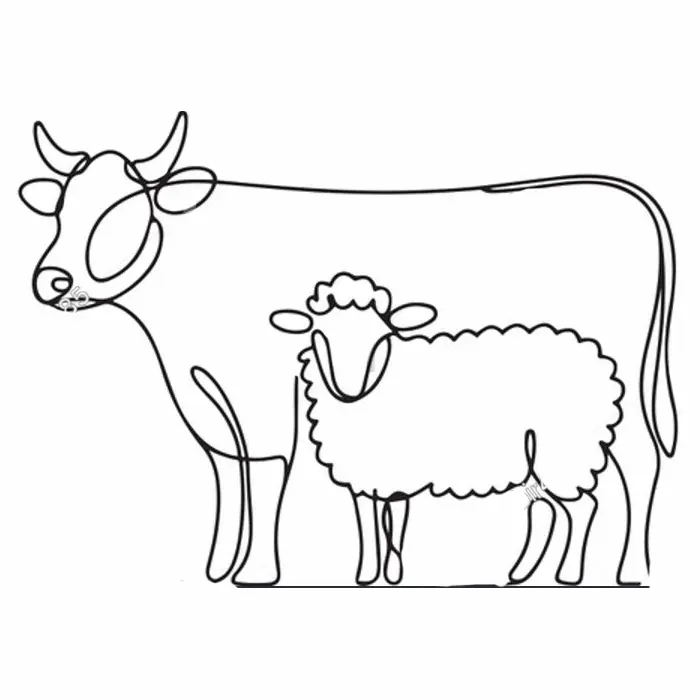
Before railways and motor transport, cattle and sheep travelled to market on foot.
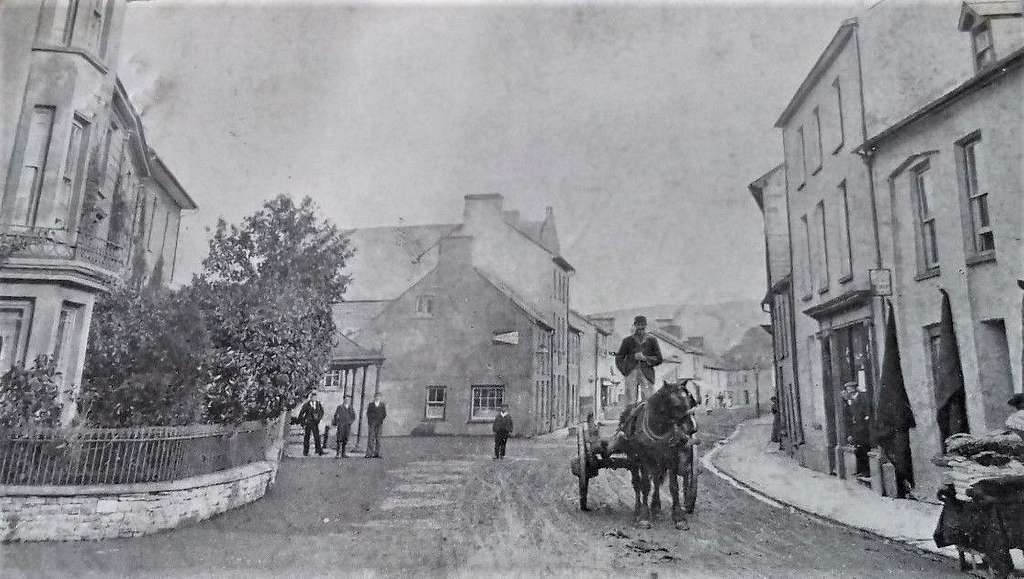
Llandovery became an important meeting point for Welsh drovers — the men who guided livestock along long-distance routes from farms in west Wales towards markets in England, including London. The town’s position on several important routes helped its economy grow around the droving trade.

Life on the road
A droving journey could take days or even weeks. The animals had to be kept together, fed and rested along the way. Drovers knew the roads, stopping places and countryside, and their work demanded patience, skill and a good knowledge of livestock. For rural communities, the drovers were more than livestock handlers. They connected farms with distant markets and brought news and information back with them.
Llandovery's drovers
Llandovery's importance as a drovers' town can still be seen in its history. The town stood at the meeting point of three historically significant droving routes and developed as a market town serving the surrounding agricultural community. The trade even influenced the town's banking.
The Black Ox Bank
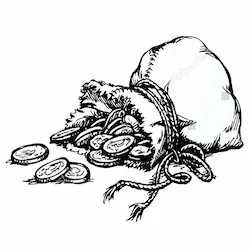
In 1799, David Jones established a private bank in Llandovery to serve the needs of the drovers. It became known locally as the Black Ox Bank, taking its name from the Welsh Black cattle associated with the trade. Its notes carried an image of a black ox. The bank helped solve a very practical problem: carrying large amounts of money along dangerous roads was risky. Instead, money from livestock sales could be handled through the banking network before the drovers made their journey home.
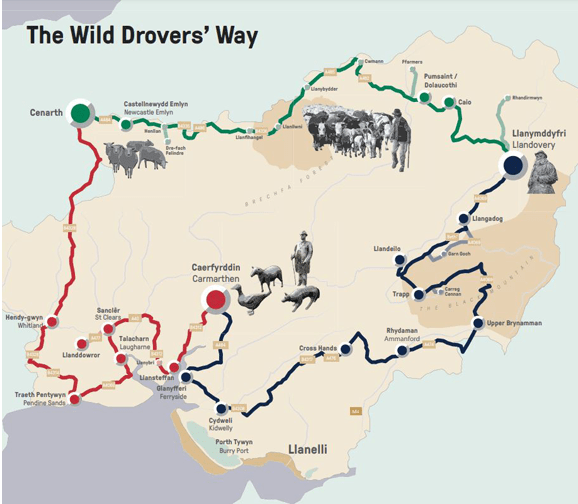
A Trade That Changed Llandovery
The Long Road to Market
The droving trade connected small farms in Wales with some of Britain’s largest markets. London was a particularly important destination, with Welsh livestock travelling towards Smithfield Market.
But the trade would not last forever
During the 19th century, the growth of the railway gradually transformed the way livestock travelled. The long journeys on foot became less important, and the traditional drover slowly disappeared.
A town shaped by the road
Today, it is easy to pass through Llandovery without imagining the thousands of animals and people that once moved through this landscape. The drovers helped shape the town's economy, its roads and its connection to the wider world. Their journeys are still part of Llandovery's story.
Discover More About the Drovers
The story of Llandovery's drovers goes far beyond the roads they travelled. Explore the objects, photographs and stories in our collections and uncover more about the lives of the men who carried Welsh livestock to markets across Britain.
Visit Llandovery Museum!
Free admission • Tuesday–Saturday • 10:00am–2:00pm

The Animals
Cattle had to be kept healthy and moving steady each day.

The Journey
Long days, all weathers and overnight stays in inns and farmyards.

The Reward
A successful trip meant a good price at market.
" We walked for days with nothing but the beasts and the road ahead of us."
Recollection of a Drover, C.1880
Free Admission
Entry to the museum is free. Everyone is welcome to explore our collections and exhibitions.
Bring the whole family – including your well-behaved dogs!
Find Us
Llandovery Museum & Visitor Gateway
Y Gannwyll,
King’s Road, Llandovery,
Carmarthenshire. SA20 0AW
Opening Hours
Summer 2026
(April 2nd – October 31st)
Tuesday – Saturday
10:00am – 2:00pm
Supported by Museums Federation Cymru to bring Llandovery’s collections and stories online.
© 2026 All Rights Reserved. Llandovery Museum & Visitor Gateway. Website by Pach Business Solutions Ltd